
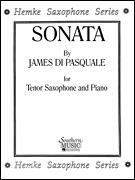
Description
James DiPasquale, himself a saxophonist and jazz musician, displays in his Sonata for Tenor Saxophone and Piano both rhythmic and harmonic techniques derived from existing jazz practices. DiPasquale has been able to blend into his Sonata the formal elements of traditional music with the flavour and technique of jazz. Many of the Sonata's first and last movement “licks” are direct quotes from jazz great's artistry. Much in the same way that Karlins' Music for Tenor Saxophone and Piano second movement, included sub-tone and breath attacks, DiPasquale effectively employs similar techniques in his second movement. The results of his writing provide a crossover freshness to the typical standard sonata form.
Reviews
There are no reviews yet.