
Description
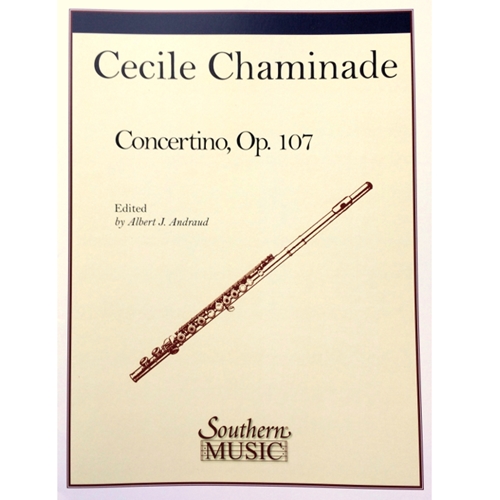
Initially written for flute and piano, the work has also been orchestrated for flute and orchestra. The piece was commissioned by the Paris Conservatoire in 1902 to be an examination piece for flute students. The Concertino is dedicated to flautist and teacher, Paul Taffanel. The piece has remained popular in flute repertoire and is still used as an examination piece.
The work is in one movement and in rondo form. It begins with a broad statement from the piano, which leads into the flute entry. A lyrical melody built on quaver and triplet movement is heard and this decorative solo is the foundation of the whole work. This melody is very cute and it shows off the different ranges of the flute. More technical passages act as an interlude which lead into the next sections.
Next, there is a central section which is marked animato. This slightly more upbeat section uses different techniques such as double tonguing and decorations which make the solo part much more difficult. There are some sporadic fast passages which add to the excitement of the piece. The sheer speed is part of what makes the work fiendishly tricky.
An interlude from the piano leads into the next variation of the theme. This leads into the very exciting cadenza. The written cadenza requires keen dexterity from the soloist as well as a bold sound and range. The piano returns after a trill from the flute. The final section of the work is composed of a reprise of the opening melody. The fast scalic runs are much more prominent in this final part of the concertino. An animated coda ends the work with an exciting passage of music.
Reviews
There are no reviews yet.